
Norway’s National Day, also known as Constitution Day or Syttende Mai, is celebrated on May 17th each year. It is a day of great significance and pride for the Norwegian people, as it commemorates the signing of the Norwegian Constitution in 1814. This day holds a special place in the hearts of Norwegians, as it symbolizes their independence and freedom. The celebrations are marked by parades, processions, traditional costumes, music, and food. It is a time for families and communities to come together and celebrate their heritage and culture.
Historical Background of Norway’s National Day
May 17th holds great significance in Norwegian history as it marks the signing of the Norwegian Constitution in 1814. This event took place during a time when Norway was under Danish rule, and the country was seeking independence. The constitution was signed in Eidsvoll, a small town outside of Oslo, by representatives from all over Norway. It laid the foundation for a democratic government and granted certain rights and freedoms to the Norwegian people.
The celebration of May 17th as Norway’s National Day began shortly after the signing of the constitution. It started as a way for Norwegians to express their national identity and pride in their newly gained independence. Over the years, the celebrations have evolved and grown into the grand festivities that we see today.
Celebration Activities on Norway’s National Day
One of the most iconic activities on Norway’s National Day is the parades and processions that take place throughout the country. Schools, organizations, and communities come together to march through the streets, waving flags and singing patriotic songs. The largest parade takes place in Oslo, where thousands of people gather to watch as schoolchildren, marching bands, and various groups make their way through the city.
Another important aspect of the celebrations is the traditional costumes and attire worn by many Norwegians on this day. The national costume, known as the bunad, is a symbol of Norwegian heritage and is worn with great pride. Each region in Norway has its own unique style of bunad, with different patterns, colors, and accessories. Wearing the bunad is a way for Norwegians to connect with their roots and showcase their cultural identity.
In addition to parades and costumes, Norway’s National Day is filled with festivities and events. There are concerts, speeches, and cultural performances held in various locations across the country. People gather in parks and public spaces to enjoy live music, dance performances, and traditional folk games. It is a day of joy and celebration, where people come together to honor their country and its history.
The Meaning of Norway’s Flag and National Anthem
The Norwegian flag, known as the “Norgesflagg” or “Merkeflagg,” holds great symbolism and significance for the Norwegian people. It consists of a red background with a blue Scandinavian cross outlined in white. The colors of the flag represent different aspects of Norwegian culture and history. Red symbolizes bravery and strength, blue represents loyalty and truth, while white signifies purity and peace.
The national anthem of Norway, “Ja, vi elsker dette landet” (Yes, we love this country), is an important part of the National Day celebrations. It was written by Bjørnstjerne Bjørnson in 1864 and has since become a symbol of national pride and unity. The lyrics express love for Norway’s natural beauty, its people, and its history. The anthem is sung during the parades and other events on May 17th, bringing people together in a shared sense of patriotism.
Traditional Foods on Norway’s National Day
Food plays a significant role in Norwegian culture, and this is especially true on Norway’s National Day. Traditional dishes and treats are prepared and enjoyed by families and communities as part of the celebrations. One of the most popular foods on this day is the “pølse i lompe,” which is a hot dog wrapped in a potato pancake. It is a simple yet delicious snack that is often eaten during the parades.
Another traditional food that is commonly enjoyed on May 17th is the “rømmegrøt,” which is a sour cream porridge. It is typically served with butter, sugar, and cinnamon, and is a comforting and hearty dish. Other traditional foods include “fårikål” (lamb stew), “lutefisk” (dried fish), and various types of cakes and pastries.
The importance of food in Norwegian culture cannot be overstated. It brings people together, fosters a sense of community, and allows for the sharing of traditions and stories. On Norway’s National Day, food serves as a way to connect with one’s heritage and celebrate the country’s rich culinary history.
Parades and Performances on Norway’s National Day
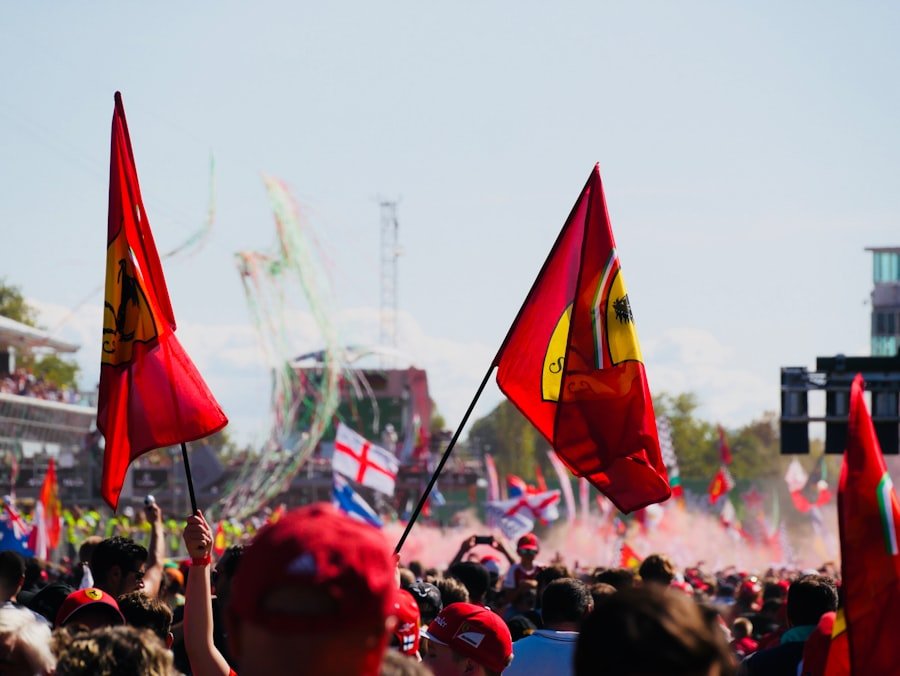
Music and dance performances are an integral part of Norway’s National Day celebrations. Throughout the country, there are concerts and shows held in parks, squares, and other public spaces. These performances showcase traditional folk music, as well as contemporary music that reflects the diversity of Norwegian culture.
One of the most iconic instruments in Norwegian folk music is the Hardanger fiddle, or “Hardingfele.” It is a traditional string instrument with a distinct sound that is often associated with Norwegian folk music. During the National Day celebrations, you can hear the beautiful melodies of the Hardingfele being played in concerts and performances.
Dance also plays a significant role in the celebrations. Traditional Norwegian folk dances, such as the “springar” and “pols,” are performed by dance groups wearing traditional costumes. These dances are characterized by lively footwork and intricate patterns, and they are a joy to watch. The performances bring a sense of energy and excitement to the celebrations, and they serve as a reminder of Norway’s rich cultural heritage.
Family Celebrations on Norway’s National Day
Norway’s National Day is a time for families to come together and celebrate. Many families start the day by attending the local parade, where children march with their schools or sports teams. After the parade, families often gather for a festive meal, where traditional dishes are served. It is a time for loved ones to connect, share stories, and create lasting memories.
In addition to the parades and meals, there are also traditional activities and games that families enjoy on this day. One popular game is the “sack race,” where participants hop in sacks and race each other to the finish line. Another game is “kasting av hestesko,” which is a horseshoe throwing game. These activities add an element of fun and competition to the celebrations, and they are enjoyed by both children and adults.
Importance and Significance of Norway’s National Day
Norway’s National Day holds great importance and significance for the Norwegian people. It is a day that celebrates their independence, freedom, and democratic values. It is a time for Norwegians to come together as a nation and honor their history, culture, and heritage.
The day also serves as a reminder of the sacrifices made by previous generations to secure Norway’s independence. It is a time to reflect on the progress that has been made and to reaffirm the commitment to upholding the values enshrined in the Norwegian Constitution.
Impact of Norway’s National Day on the Norwegian People
Norway’s National Day has a profound impact on the Norwegian people. It brings them together in a shared sense of national pride and identity. The celebrations foster a sense of community and belonging, as people from all walks of life come together to celebrate their country.
The day also serves as a reminder of the importance of unity and solidarity. It is a time for Norwegians to set aside their differences and come together as one nation. The celebrations create a sense of camaraderie and strengthen the bonds between individuals and communities.
Global Celebrations of Norway’s National Day
Norwegians living abroad also celebrate Norway’s National Day, albeit in a different setting. In cities around the world, Norwegian communities come together to mark the occasion. They organize parades, concerts, and other events that showcase Norwegian culture and traditions.
The international recognition of Norway’s National Day is a testament to the global impact of Norwegian culture and heritage. It is a day that transcends borders and brings people from different backgrounds together in celebration.
Future Outlook and Development of Norway’s National Day
As Norway’s National Day continues to evolve, there may be potential changes and developments in the way it is celebrated. While the core traditions and activities will likely remain the same, there may be new additions or adaptations to reflect the changing times.
However, it is important to preserve the traditions and values that have made Norway’s National Day so special. The day serves as a reminder of Norway’s history, culture, and identity, and it is crucial to ensure that these aspects are not lost in the midst of modernization.
Norway’s National Day is a day of great significance and pride for the Norwegian people. It commemorates the signing of the Norwegian Constitution in 1814 and serves as a celebration of independence, freedom, and democracy. The day is marked by parades, processions, traditional costumes, music, food, and family celebrations.
Norway’s National Day holds deep meaning for Norwegians, as it brings them together in a shared sense of national pride and identity. It is a time to honor their history, culture, and heritage, and to reflect on the progress that has been made. The day serves as a reminder of the importance of unity, solidarity, and the values enshrined in the Norwegian Constitution.
As Norway’s National Day continues to be celebrated both within Norway and around the world, it is important to preserve the traditions and values that have made it so special. The day serves as a reminder of Norway’s rich history and cultural heritage, and it is crucial to ensure that these aspects are passed down to future generations.
在挪威生日快乐的这一天,为了庆祝这个特殊的日子,你可以尝试挪威语食品和饮品的8种选择。这篇相关文章提供了一些关于挪威语情感和感觉词汇的8种表达方式。如果你对挪威语有兴趣,这篇文章将为你提供一些有趣的词汇和表达方式。点击这里阅读更多。
FAQs
挪威生日快乐文章的常见问题解答
1. 挪威生日快乐文章是关于什么的?
挪威生日快乐文章是庆祝挪威国庆日的文章,这一天是挪威独立宣言签署的日子。
2. 挪威国庆日是哪一天?
挪威国庆日是每年的5月17日。
3. 挪威国庆日是如何庆祝的?
挪威国庆日通常会有游行、音乐会、烟火表演等庆祝活动。人们会穿上传统的挪威民族服装,庆祝这个特殊的日子。
4. 挪威国庆日的历史背景是什么?
挪威国庆日是为了纪念1814年挪威宣布独立,结束了与丹麦的联合,成为一个独立的国家。
5. 挪威国庆日的象征物是什么?
挪威国旗是挪威国庆日的象征物,它的颜色是红色、白色和蓝色,代表着勇气、纯洁和忠诚。