
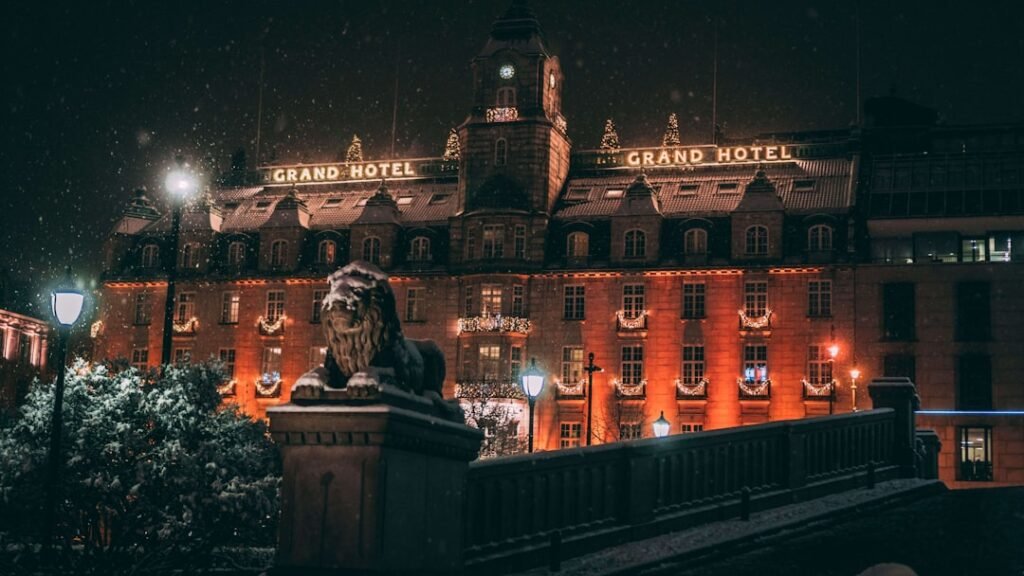
Oslo, the capital city of Norway, is known for its beautiful parks and green spaces. One of the most striking features of these parks is the presence of numerous sculptures that adorn the landscape. These sculptures not only add to the aesthetic appeal of the parks but also hold great historical and artistic value. They serve as a testament to the rich cultural heritage of Oslo and provide a unique experience for visitors.
The Historical Roots of Oslo’s Park Sculptures
The tradition of park sculptures in Oslo can be traced back to the 19th century when the city underwent a period of rapid urbanization and development. As the city grew, there was a need to create public spaces that would provide respite from the bustling city life. Parks were established and sculptures were commissioned to enhance the beauty of these green spaces.
Over time, the style and themes of these sculptures evolved. In the early years, most sculptures were inspired by classical Greek and Roman art, reflecting the prevailing artistic trends of the time. However, as Norway gained independence and developed its own national identity, there was a shift towards more local and indigenous themes in sculpture art.
The Continuation and Development of Sculpture Art in Oslo’s Parks
Sculpture art continues to play a significant role in Oslo’s parks today. These sculptures serve as landmarks and focal points within the parks, attracting visitors from all over the world. They also contribute to the cultural identity of Oslo, showcasing the city’s artistic heritage.
In recent years, there has been a renewed focus on promoting contemporary sculpture art in Oslo’s parks. This has led to the development of new parks and public spaces that are specifically designed to showcase modern sculpture works. These initiatives have not only provided a platform for emerging artists but have also revitalized older parks by introducing new and innovative artworks.
The Types and Styles of Sculptures in Oslo’s Parks
Oslo’s parks are home to a wide variety of sculptures, each with its own unique style and theme. Some of the most common types of sculptures found in these parks include figurative sculptures, abstract sculptures, and environmental sculptures.
Figurative sculptures depict human or animal figures and are often inspired by mythology, history, or everyday life. These sculptures capture the essence of the subject matter and convey a sense of emotion and movement.
Abstract sculptures, on the other hand, focus on form, shape, and texture rather than representing recognizable objects. They often challenge traditional notions of sculpture and encourage viewers to interpret the artwork in their own way.
Environmental sculptures are designed to interact with the natural surroundings and create a harmonious relationship between art and nature. These sculptures often incorporate natural materials such as wood, stone, or plants and are intended to blend seamlessly into the landscape.
The Background and Significance of Sculpture Works
The inspiration behind sculpture works in Oslo’s parks can be traced back to a variety of sources. Many artists draw inspiration from nature, using organic forms and materials to create their artworks. Others are influenced by historical events or cultural traditions, seeking to capture the spirit of a particular time or place.
The significance of sculpture works in Oslo’s parks goes beyond their aesthetic value. These artworks serve as a means of communication, conveying ideas and emotions that words alone cannot express. They also provide a sense of identity and belonging for both locals and visitors, acting as symbols of Oslo’s cultural heritage.
The Artistic and Historical Value of Oslo’s Park Sculptures
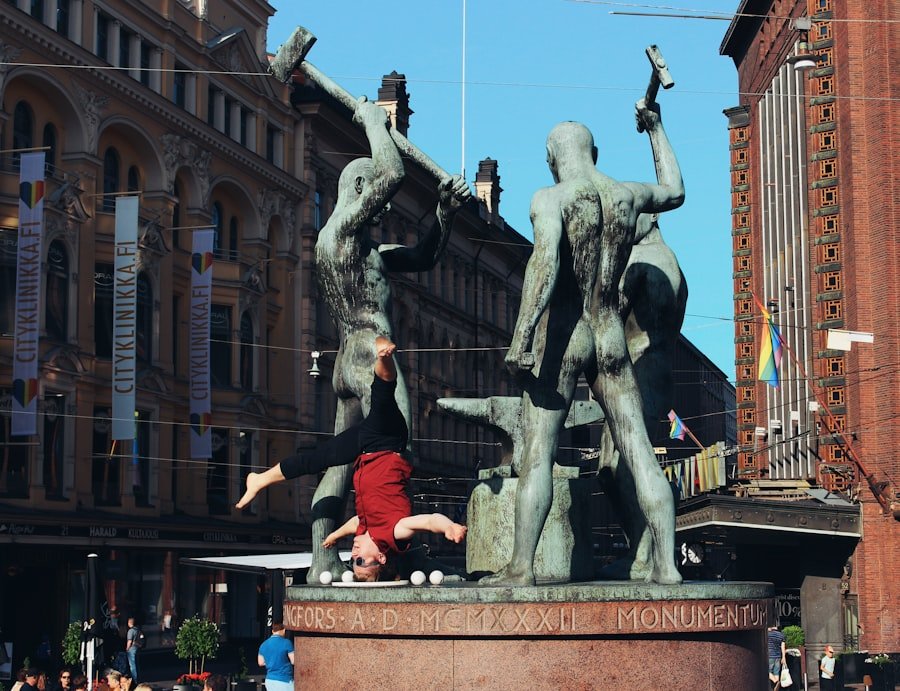
Oslo’s park sculptures hold immense artistic value due to their craftsmanship, creativity, and technical skill. These artworks are created by highly skilled artists who have dedicated years to perfecting their craft. The attention to detail and the ability to bring life to inanimate materials is truly remarkable.
In addition to their artistic value, these sculptures also hold great historical significance. They serve as a visual record of the city’s past, reflecting the social, political, and cultural changes that have taken place over the years. They provide a glimpse into the lives of the people who lived in Oslo during different periods of time and offer a unique perspective on the city’s history.
The Integration of Sculpture Art and Urban Culture
Sculpture art plays a vital role in shaping the urban culture of Oslo. These artworks are not just confined to parks and green spaces but can be found throughout the city, creating a sense of unity and cohesion. They serve as landmarks and meeting points, helping to define the identity of different neighborhoods and communities.
The integration of sculpture art and urban culture in Oslo is a deliberate effort to create a more livable and vibrant city. By incorporating art into public spaces, the city aims to enhance the quality of life for its residents and create a sense of pride and ownership.
The Protection and Restoration of Oslo’s Park Sculptures
The preservation and protection of Oslo’s park sculptures is of utmost importance to ensure their longevity. The city has implemented various measures to safeguard these artworks, including regular maintenance, cleaning, and restoration.
Maintenance involves routine inspections to identify any signs of damage or deterioration. Cleaning is done using gentle methods that do not harm the sculptures or alter their original appearance. Restoration is carried out when necessary to repair any damage or restore missing parts.
The Impact and Inspiration of Sculpture Art on the Public
Sculpture art has a profound impact on the public, inspiring awe, curiosity, and contemplation. These artworks have the power to evoke emotions and provoke thought, encouraging viewers to engage with their surroundings in a meaningful way.
The inspiration that sculpture art provides to the public is immeasurable. These artworks serve as a source of creativity and imagination, encouraging individuals to explore their own artistic abilities. They also act as catalysts for social change, sparking conversations and raising awareness about important issues.
Visiting and Appreciating Oslo’s Park Sculptures
Visiting and appreciating Oslo’s park sculptures is a unique and enriching experience. To make the most of your visit, it is recommended to plan ahead and research the different parks and sculptures that you would like to see.
It is also important to take your time and truly immerse yourself in the artwork. Pay attention to the details, textures, and materials used in the sculptures. Try to understand the artist’s intention and the message they are trying to convey.
The best time to visit Oslo’s park sculptures is during the spring and summer months when the weather is pleasant and the parks are in full bloom. However, these sculptures can be enjoyed year-round, as they take on a different charm during the colder months.
The Future Development Trends of Sculpture Art in Oslo’s Parks
The future of sculpture art in Oslo’s parks looks promising, with continued efforts to promote and support this form of artistic expression. There is a growing interest in contemporary sculpture art, with more opportunities for emerging artists to showcase their work.
In terms of trends, there is a shift towards more interactive and immersive sculptures that encourage viewer participation. These artworks invite visitors to touch, climb, or even walk through them, creating a more engaging and memorable experience.
In conclusion, Oslo’s park sculptures hold immense historical and artistic value. They not only enhance the beauty of the city’s parks but also serve as symbols of Oslo’s cultural heritage. These sculptures have a profound impact on the public, inspiring awe, curiosity, and contemplation. They provide a unique experience for visitors and contribute to the overall livability of the city. With continued efforts to protect and promote sculpture art, Oslo’s park sculptures will continue to captivate audiences for generations to come.
请阅读关于奥斯陆公园雕像的相关文章。这篇文章介绍了奥斯陆公园中的雕像,以及它们的历史和文化背景。如果你对奥斯陆公园的雕像感兴趣,这篇文章会给你提供更多的信息和了解。点击这里阅读全文。
FAQs
奥斯陆公园雕塑是什么?
奥斯陆公园雕塑是指位于挪威首都奥斯陆的公园内的各种雕塑作品。
奥斯陆公园雕塑有哪些种类?
奥斯陆公园雕塑的种类繁多,包括人物雕塑、动物雕塑、抽象雕塑等。
奥斯陆公园雕塑的历史背景是什么?
奥斯陆公园雕塑的历史可以追溯到19世纪,当时挪威政府开始在公共场所设置雕塑作品,以展示国家文化和艺术水平。
奥斯陆公园雕塑的作者是谁?
奥斯陆公园雕塑的作者有很多,包括挪威本土艺术家和国际知名艺术家。
奥斯陆公园雕塑的特点是什么?
奥斯陆公园雕塑的特点是多样性和艺术性,每个雕塑作品都有其独特的风格和意义。
奥斯陆公园雕塑对当地文化和旅游业有何影响?
奥斯陆公园雕塑是奥斯陆市的重要文化景点之一,吸引了大量游客前来观赏和拍照。同时,这些雕塑作品也展示了挪威的文化和艺术水平,对当地文化的传承和发展起到了积极的作用。