
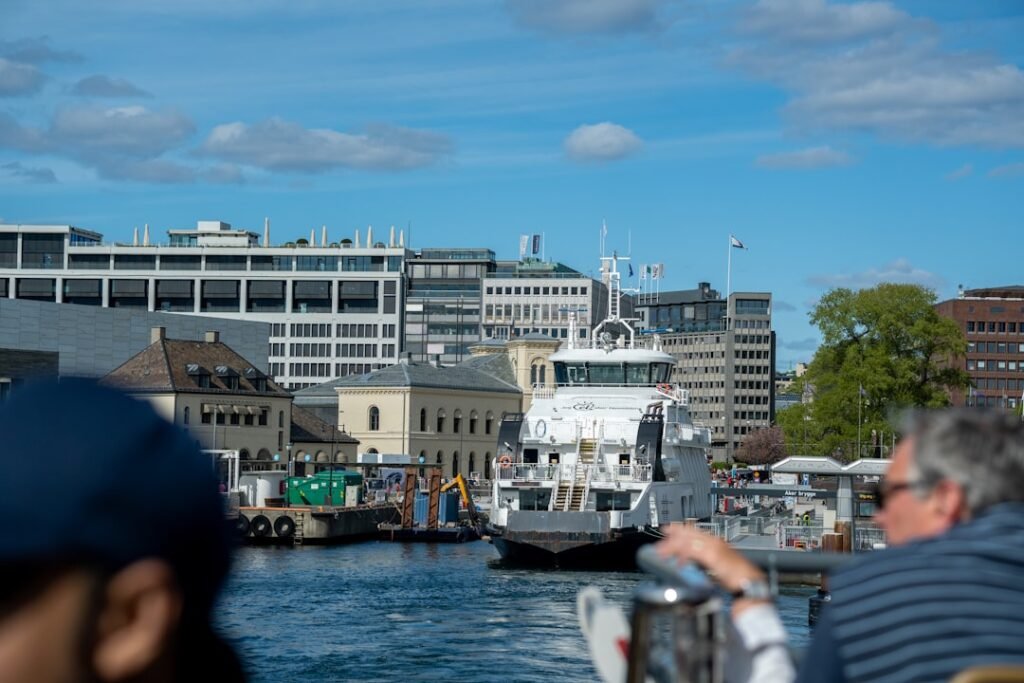
Oslo International Summer School: A Comprehensive Analysis of History and Development
The Genesis of International Summer Courses
The University of Oslo boasts a rich history of academic excellence, and its commitment to fostering international understanding and academic exchange is deeply rooted. The establishment of formal summer courses for international students was a natural progression of this commitment, driven by a desire to promote Norwegian language and culture to a global audience and to offer unique academic opportunities during the summer months. Early discussions and initiatives aimed at creating a platform for non-Norwegian speakers to engage with Norwegian society and academic life laid the groundwork for what would become the Oslo International Summer School. These initial endeavors, while perhaps modest in scale, reflected a forward-thinking vision to position the university as an accessible and valuable institution for international learners.
Early Goals and Curriculum Development
The foundational goals of the summer courses were multifaceted. Primarily, they aimed to provide intensive instruction in the Norwegian language, recognizing its importance for cultural immersion and academic pursuits within Norway. Simultaneously, the courses sought to introduce participants to Norwegian society, history, art, and politics. The curriculum was designed to be both academic and cultural, incorporating lectures, excursions, and social activities. Early curriculum development involved faculty members who were passionate about sharing their knowledge and expertise with foreign students. The selection of topics and the pedagogical approaches were shaped by the prevailing academic trends of the time and the specific needs and interests of the anticipated student body. This involved building a curriculum that offered a balanced perspective, moving beyond purely linguistic training to encompass a broader appreciation of Norwegian civilization.
Inaugural Years and Initial Challenges
The initial years of the Oslo International Summer School were characterized by pioneering spirit and the inherent challenges of establishing any new academic program. Logistics, student recruitment, and faculty coordination were significant undertakings. Securing suitable accommodation and creating an engaging schedule that catered to diverse international backgrounds required careful planning and adaptation. Overcoming these early hurdles was crucial for the long-term sustainability of the program. The university’s dedication to supporting this initiative, however, provided the necessary resources and encouragement to navigate these initial complexities.
Evolution and Expansion: Adapting to a Changing World
Shifting Student Demographics and Academic Focus
As the decades progressed, the demographic makeup of the summer school’s student body began to diversify. Initially attracting students primarily from Western European and North American countries, the program gradually saw a rise in participants from Asia, Africa, and South America. This shift necessitated an evolution in academic offerings and pedagogical approaches. The curriculum adapted to include a wider range of perspectives and to address the growing global interest in topics such as sustainable development, international relations, and cross-cultural communication. The academic focus expanded to include specialized courses that catered to the evolving academic and professional interests of a more globalized student body.
Introduction of New Subject Areas and Interdisciplinary Approaches
Recognizing the increasing interdisciplinary nature of academic inquiry and the demand for specialized knowledge, the summer school began to introduce new subject areas. These additions reflected emerging academic fields and also responded to specific requests and identified needs within the international academic community. The development of interdisciplinary study modules aimed to provide students with a more holistic understanding of complex global issues, connecting various academic disciplines. This expansion was not merely an addition of new courses but a strategic move to offer a more comprehensive and relevant educational experience.
Growth in Enrollment and International Partnerships
The steady growth in enrollment over the years is a testament to the program’s increasing reputation and the consistent delivery of quality education. This expansion was often accompanied by the forging of new international partnerships. Collaborations with universities and educational institutions abroad helped to broaden student recruitment channels and to foster deeper academic exchange. These partnerships also facilitated faculty exchanges and joint research initiatives, further enriching the academic landscape of the summer school.
The Academic Core: Norwegian Language and Culture at its Center

Intensive Norwegian Language Instruction
The cornerstone of the Oslo International Summer School has always been its rigorous and effective Norwegian language instruction. Designed for learners of all proficiency levels, from complete beginners to advanced students, the language courses prioritize practical communication skills. The curriculum emphasizes grammar, vocabulary, pronunciation, and conversational fluency through a variety of teaching methods, including lectures, interactive exercises, group work, and individual feedback. The goal is to equip students with the linguistic tools necessary to navigate daily life in Norway and to engage with Norwegian society on a deeper level.
Structured Curriculum and Progression
The language curriculum is structured to ensure a logical progression of learning. Levels are clearly defined, and students are placed in appropriate classes based on their prior knowledge. Each level builds upon the previous one, introducing new grammatical concepts and expanding vocabulary systematically. This structured approach allows students to consistently develop their language proficiency throughout the course.
Communicative Approach and Practical Application
A strong emphasis is placed on a communicative approach, encouraging students to actively use the language from the outset. Lessons are designed to simulate real-life situations, with activities focusing on speaking, listening, reading, and writing in practical contexts. This ensures that students gain confidence in their ability to communicate effectively in various everyday scenarios.
Norwegian Society and Culture: Beyond Language
Beyond language acquisition, the summer school offers a rich array of courses designed to illuminate Norwegian society and culture. These courses explore a wide spectrum of topics, from historical narratives and political structures to contemporary social issues and artistic expressions. The aim is to provide a nuanced and comprehensive understanding of what it means to be Norwegian, fostering cultural appreciation and critical thinking.
Historical and Political Landscape
Courses delve into Norway’s historical trajectory, examining key periods and events that have shaped the nation. The political system, its democratic principles, and its role in international affairs are also explored in detail, providing students with insights into Norway’s governance and foreign policy.
Arts, Literature, and Contemporary Issues
The vibrant landscape of Norwegian arts, literature, and film is a significant component of the cultural studies. Students are introduced to prominent artists, authors, and filmmakers, gaining an appreciation for their contributions and the cultural contexts in which they operate. Contemporary Norwegian society, including its welfare model, environmental policies, and social trends, is also examined, offering a current perspective.
Cultural Immersion Activities and Excursions
Complementing the academic coursework, the summer school organizes a variety of cultural immersion activities and excursions. These experiences are integral to the learning process, offering students firsthand encounters with Norwegian life. Visits to museums, historical sites, cultural institutions, and natural landscapes provide tangible connections to the subjects studied in the classroom. These outings are often accompanied by guided tours and discussions, deepening students’ understanding and engagement.
立即预订您的奥斯陆暑期语言课程 请点击这里。
Beyond the Classroom: The Oslo Experience
Embracing Oslo’s Vibrant Urban Environment
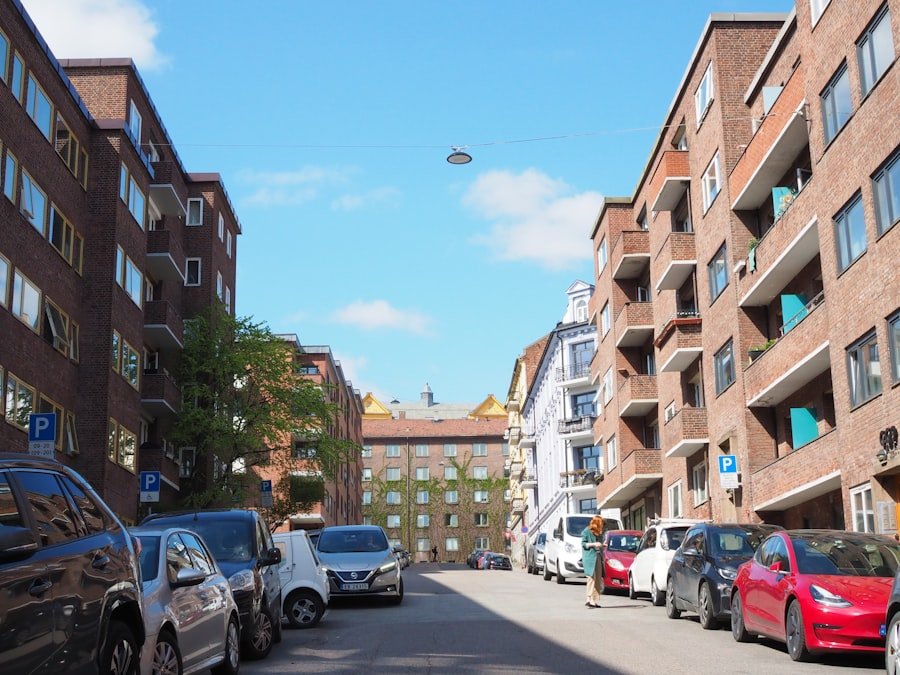
Oslo, as the capital city, provides a dynamic and engaging backdrop for the summer school experience. Students have the opportunity to explore its diverse neighborhoods, from the historic Akershus Fortress to the modern Opera House. The city offers a wealth of cultural attractions, including numerous museums, art galleries, theaters, and concert halls. Public transportation within Oslo is efficient, allowing students to easily access different parts of the city and its surroundings.
Museums and Cultural Institutions
Oslo is home to world-class museums such as the Viking Ship Museum, the Munch Museum, and the National Museum. These institutions offer invaluable insights into Norwegian art, history, and culture. The summer school often organizes group visits to these key sites as part of the cultural program.
Parks, Green Spaces, and Waterfront
The city boasts numerous parks and green spaces, providing opportunities for relaxation and recreation amidst urban life. The waterfront areas, with their promenades and recreational facilities, are popular gathering spots. Students can enjoy leisurely walks, picnics, or simply soak in the city’s atmosphere.
Opportunities for Social Interaction and Networking
The Oslo International Summer School actively fosters an environment conducive to social interaction and networking. The diverse student body, composed of individuals from various academic backgrounds and countries, creates a fertile ground for developing new friendships and professional connections. Organized social events, group activities, and informal gatherings provide ample opportunities for students to connect with one another and with faculty members.
Student Gatherings and Excursions
Regular student gatherings, dinners, and organized excursions to nearby attractions facilitate bonding and shared experiences. These events are designed to be less formal than academic settings, allowing for more relaxed and personal interactions.
Faculty Interaction and Mentorship
Faculty members are also encouraged to engage with students beyond the lecture hall, offering mentorship and support. This accessibility helps to build a stronger sense of community and can lead to valuable academic and personal guidance.
Exploring Norway: Day Trips and Excursions
The summer school also facilitates opportunities for students to explore Norway beyond the confines of Oslo. Carefully curated day trips and longer excursions introduce students to the country’s stunning natural beauty and diverse regional cultures. These journeys provide a broader understanding of Norway and its unique geographical and cultural landscape.
Fjords, Mountains, and Coastal Regions
Excursions to iconic Norwegian landscapes, such as the fjords, mountains, and coastal regions, are a highlight for many students. These trips offer breathtaking scenery and a chance to engage with the natural environment that plays such a significant role in Norwegian identity.
Smaller Towns and Cultural Heritage Sites
The program also includes visits to charming smaller towns and significant cultural heritage sites, offering a glimpse into different aspects of Norwegian life and history. These excursions provide a contrast to the urban experience of Oslo and showcase the regional diversity of the country.
The Future of the Oslo International Summer School: A Look Ahead
| 年份 | 学生人数 | 课程数量 | 国家参与 |
|---|---|---|---|
| 2010 | 200 | 10 | 20 |
| 2015 | 400 | 20 | 30 |
| 2020 | 600 | 30 | 40 |
Adapting to Global Trends in Higher Education
The landscape of higher education is continuously evolving, driven by technological advancements, shifting global priorities, and changing student expectations. The Oslo International Summer School is positioned to adapt to these trends by integrating new teaching methodologies, leveraging digital learning tools, and ensuring its academic offerings remain relevant to the contemporary world. This includes exploring innovative pedagogical approaches that enhance student engagement and learning outcomes.
Digital Integration and Blended Learning
The increasing role of digital technologies in education presents opportunities for blended learning models and the integration of online resources. The summer school will likely explore how to effectively incorporate these tools to supplement in-person instruction, offering flexibility and access to a wider range of academic materials.
Focus on Sustainability and Global Challenges
As global challenges such as climate change and sustainable development gain prominence, the summer school will undoubtedly continue to integrate these themes into its curriculum. Courses focusing on environmental science, renewable energy, and international cooperation for sustainable solutions are likely to see increased emphasis.
Enhancing International Collaboration and Exchange
The future of the Oslo International Summer School is intrinsically linked to its ability to foster and expand international collaborations. Strengthening existing partnerships and forging new alliances with universities and institutions worldwide will be crucial for broadening its reach and enriching its academic offerings. This includes facilitating more student and faculty exchange programs.
Joint Programs and Research Initiatives
The development of joint academic programs and collaborative research initiatives with international partners can create new avenues for academic exploration and contribute to global knowledge production. This can also lead to increased opportunities for students to engage in interdisciplinary research.
Building a Global Alumni Network
Cultivating a strong and active global alumni network will be vital for the long-term success of the summer school. An engaged alumni community can provide valuable support through mentorship, career guidance, and contributions to program development, ensuring a vibrant and interconnected community beyond the summer months.
The Norwegian Summer Courses: A Pillar of Engagement and Discovery
A Unique Opportunity for Language and Cultural Immersion
The Norwegian summer courses offered at the NLS Norwegian Language School in Oslo stand as a vital component of the University of Oslo’s commitment to international education. These courses provide a unique and immersive platform for individuals from across the globe to not only master the Norwegian language but also to delve deeply into the rich tapestry of Norwegian culture and society. The intensive nature of the instruction, coupled with a curriculum designed for practical application, equips students with the linguistic skills necessary for meaningful engagement with Norway. This linguistic proficiency is then seamlessly integrated with a broader understanding of Norwegian history, art, societal structures, and contemporary life, fostering a well-rounded appreciation of the nation.
Experiencing Norway Through Direct Engagement
The NLS Norwegian Language School’s summer offerings go beyond theoretical knowledge. They are meticulously crafted to facilitate direct engagement with Norway. Through carefully organized excursions, cultural events, and opportunities for interaction with local communities, students are provided with invaluable real-world experiences. These activities are not merely supplementary; they are integral to the learning process, allowing participants to witness firsthand the realities of Norwegian daily life, observe its natural beauty, and connect with its people. This hands-on approach transforms the learning experience from simply acquiring information into a process of genuine discovery and personal connection.
Building Bridges and Fostering International Understanding
In an increasingly interconnected world, the ability to understand and appreciate diverse cultures is paramount. The Norwegian summer courses at NLS are instrumental in building these bridges. By bringing together individuals from various national and academic backgrounds, the program fosters an environment of cross-cultural dialogue and mutual understanding. Participants learn not only about Norway but also from each other, sharing perspectives and experiences that enrich their global outlook. This exchange of ideas and perspectives is fundamental to promoting international cooperation and a more nuanced understanding of global issues. The NLS Norwegian Language School, through its dedicated summer programs, plays a significant role in this vital mission of fostering international understanding and connection.