

Norway, a country known for its stunning natural landscapes and rich cultural heritage, has a long and complex history when it comes to religion. Religion has played a significant role in shaping Norwegian culture, influencing everything from art and literature to social norms and values. In this article, we will explore the history of religion in Norway, from its pre-Christian roots to the diverse religious landscape of today.
Historical Background of Religious Beliefs
Before the introduction of Christianity, the indigenous people of Norway practiced a form of paganism known as Norse mythology. This ancient belief system revolved around a pantheon of gods and goddesses, such as Odin, Thor, and Freya. These deities were believed to have control over various aspects of life, including nature, fertility, and warfare. Norse mythology also included a complex cosmology and a belief in an afterlife.
The conversion to Christianity in Norway began in the 10th century with the arrival of Christian missionaries from England and Germany. King Olaf Tryggvason played a crucial role in promoting Christianity and establishing it as the official religion of Norway. However, the process of Christianization was not without resistance, as many Norwegians clung to their traditional beliefs and customs.
Basic Concepts of Traditional Norwegian Religion
Norse mythology was deeply rooted in the natural world and had a strong connection to the land and its resources. The gods were seen as powerful beings who could influence the weather, fertility of crops, and success in battle. Rituals and sacrifices were performed to appease the gods and ensure their favor.
Folk beliefs and customs also played a significant role in traditional Norwegian religion. These included practices such as divination, healing rituals, and superstitions surrounding birth, marriage, and death. Folklore and legends were passed down through generations, preserving the rich cultural heritage of Norway.
Development of Christianity in Norway
Early Christian missionaries faced challenges in their efforts to convert the Norwegian population. The Norse people were deeply attached to their traditional beliefs and resisted the new religion. However, over time, Christianity gained a foothold in Norway, and by the 11th century, it had become the dominant religion.
The Church of Norway, also known as the Evangelical Lutheran Church of Norway, was established in 1537 during the Protestant Reformation. This marked a significant shift in religious practices and doctrines in Norway. The church became the official religion of the state and played a central role in Norwegian society.
Beliefs and Doctrines of the Catholic Church in Norway
Catholicism has a long history in Norway, dating back to the medieval period. However, after the Protestant Reformation, Catholicism was suppressed, and the Catholic Church lost its influence in Norway. It was not until the 19th century that Catholicism began to regain its presence in the country.
Today, the Catholic Church in Norway is a small but vibrant community. Catholic teachings and practices are centered around the sacraments, including baptism, confirmation, and the Eucharist. The church also places a strong emphasis on social justice and charity work.
Doctrines and Regulations of the Protestant Church in Norway
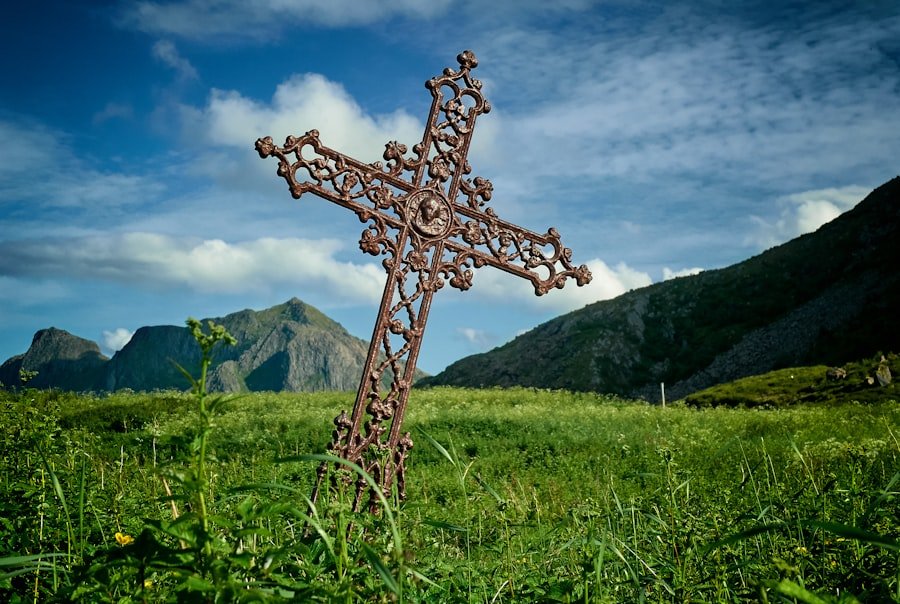
Protestantism has been the dominant form of Christianity in Norway since the Reformation. The Church of Norway is an Evangelical Lutheran church that follows the teachings of Martin Luther. It is known for its simplicity and emphasis on personal faith.
The Protestant Church in Norway believes in salvation through faith alone and rejects the idea of indulgences or intercession of saints. The church also places a strong emphasis on community and social responsibility. It is involved in various social welfare programs and works closely with other religious communities to promote interfaith dialogue.
Beliefs and Culture of Islam in Norway
Islam is one of the fastest-growing religions in Norway, with a significant Muslim population. The history of Islam in Norway can be traced back to the 1960s when the first Muslim immigrants arrived in the country. Today, Islam is recognized as an official religion in Norway.
Islamic beliefs and practices in Norway are diverse, reflecting the different cultural backgrounds of the Muslim community. The five pillars of Islam, including prayer, fasting, and pilgrimage, are observed by Muslims in Norway. Mosques serve as centers for worship and community gatherings, fostering a sense of belonging and identity.
History and Current State of Judaism in Norway
Judaism has a long and complex history in Norway. Jews have been present in the country since the 17th century, primarily as traders and merchants. However, during World War II, the Jewish community in Norway suffered greatly under Nazi occupation, with many Jews being deported and killed.
Today, the Jewish community in Norway is small but vibrant. Synagogues serve as places of worship and community gathering. The community celebrates Jewish holidays and traditions, preserving their cultural heritage while also integrating into Norwegian society.
Significance and Celebration of Religious Festivals and Rituals
Religious festivals and rituals hold great importance in Norwegian culture, regardless of the specific religion. These events provide an opportunity for individuals to come together, celebrate their faith, and strengthen their sense of community.
In Christianity, major festivals such as Christmas and Easter are widely celebrated in Norway. Christmas is a time for family gatherings, feasting, and exchanging gifts. Easter is marked by religious services and traditions such as egg painting and Easter bonfires.
In Islam, Ramadan is a significant religious festival observed by Muslims in Norway. It is a month of fasting from dawn to sunset, during which Muslims focus on prayer, self-reflection, and acts of charity. The end of Ramadan is celebrated with the festival of Eid al-Fitr, which includes communal prayers and feasting.
Definition and Explanation of Spiritual Terminology
In Norwegian culture, there are several key spiritual terms that are commonly used in religious and cultural contexts. These terms reflect the diverse religious landscape of the country and the importance of spirituality in Norwegian society.
One such term is “åndelighet,” which translates to spirituality. It encompasses a broad range of beliefs and practices related to the spiritual realm. Another term is “tro,” which means faith or belief. It refers to the personal convictions and trust in a higher power or divine being.
“Religionsfrihet” is another important term, meaning religious freedom. It emphasizes the right of individuals to practice their religion freely and without interference. This concept is highly valued in Norwegian society, where religious diversity is respected and protected.
Importance of Spiritual Development and Growth in Norwegian Culture
Spiritual development and growth play a significant role in Norwegian culture. The pursuit of spiritual well-being is seen as essential for personal fulfillment and a sense of purpose in life. Many Norwegians engage in practices such as meditation, mindfulness, and nature appreciation to cultivate their spiritual growth.
Norwegian culture also places a strong emphasis on ethical values and social responsibility. Spiritual development is seen as a means to develop empathy, compassion, and a sense of interconnectedness with others and the natural world.
Religion has been an integral part of Norwegian culture throughout history. From the ancient Norse mythology to the introduction of Christianity and the presence of other religions such as Islam and Judaism, Norway has a diverse religious landscape that reflects its rich cultural heritage.
The importance of religion in Norwegian culture can be seen in the celebration of religious festivals and rituals, the use of spiritual terminology, and the emphasis on spiritual development and growth. Religion has shaped Norwegian art, literature, social norms, and values, contributing to the unique identity of the country.
As Norway continues to evolve and embrace diversity, the role of religion in society will continue to be an important aspect of Norwegian culture. The coexistence of different religious beliefs and practices is a testament to the country’s commitment to religious freedom and tolerance.
请阅读我们的挪威语食品和饮品的8种选择文章,了解挪威语中与宗教和精神术语相关的内容。这篇文章将为您提供关于挪威语中宗教和精神术语的详细信息,让您更好地了解挪威文化和语言。
FAQs
什么是挪威语中的宗教和精神术语?
挪威语中的宗教和精神术语是指挪威语中与宗教和精神信仰相关的词汇和术语。
挪威语中有哪些宗教和精神术语?
挪威语中的宗教和精神术语包括基督教、伊斯兰教、犹太教、佛教、印度教等宗教的相关词汇,以及与精神信仰相关的术语,如灵魂、神秘主义、冥想等。
挪威语中的基督教术语有哪些?
挪威语中的基督教术语包括上帝、耶稣、圣经、教堂、圣餐、洗礼、忏悔、救赎等。
挪威语中的佛教术语有哪些?
挪威语中的佛教术语包括佛陀、菩萨、禅修、慈悲、般若、涅槃等。
挪威语中的精神术语有哪些?
挪威语中的精神术语包括灵魂、神秘主义、冥想、宇宙意识、能量场等。